
Biochar: The Ancient Fertilizer of the Amazon
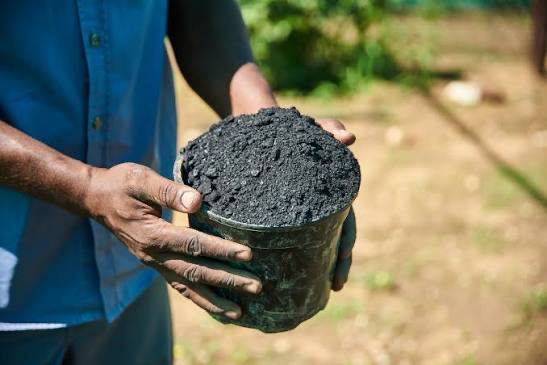
Across the Amazon basin, where the soil is famously thin and acidic, there are scattered patches of darker, richer soil, over 2,000 years old, that to many people, shouldn't exist at all. Locals call the soil terra preta, meaning "black earth" or even "black gold". What's fascinating is that these patches aren't coincidental. The soil owes its dark color and fertility to weathered fragments of charcoal, compost, and manure, which were placed by pre-Columbian farmers. Shockingly, over two millennia later, the land is still fertile and the carbon is still there.
Today, researchers are rediscovering the capabilities of this ancient fertilizer through experimentation with biochar, the modern descendant of terra preta. Biochar is made through a technique called pyrolysis, heating up organic matter in a space with low oxygen levels. Biochar's porous structure can serve as a habitat for beneficial micro-organisms, help retain soil moisture, and reduce the need for chemical fertilizers, but its most extraordinary quality is its ability to capture and store carbon dioxide. When organic matter decomposes, carbon dioxide is released back into the atmosphere, contributing to our current climate crisis. Biochar is able to capture this carbon and lock it in a stable form that can be stored for centuries.

What makes biochar an especially promising material is its accessibility. Unlike other proposed climate solutions, biochar can be easily produced from waste humans already discard, such as wood scraps, manure, and dead leaves.
That, ultimately, is what makes it so compelling. While we tinker with cutting-edge technology like solar panels, robots, and AI, biochar has been at work beneath our feet for thousands of years, enriching the land and storing carbon while nobody was watching. The most promising climate technology doesn't have to be a complex, billion-dollar machine; it can be as simple as a lumpy piece of charcoal.
Stay tuned for updates, as I will soon post an article on how you can make your own biochar at home! Sources:



Comments